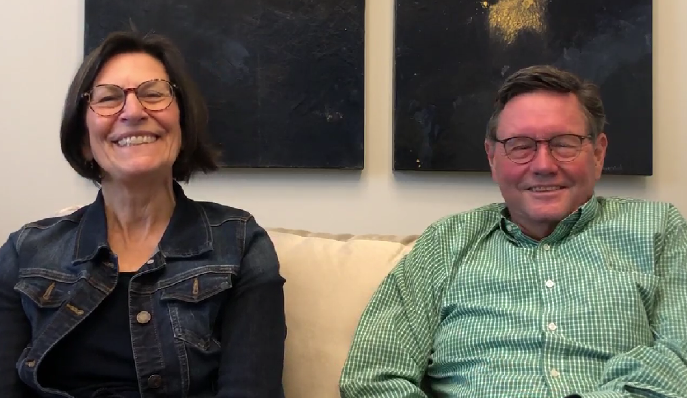
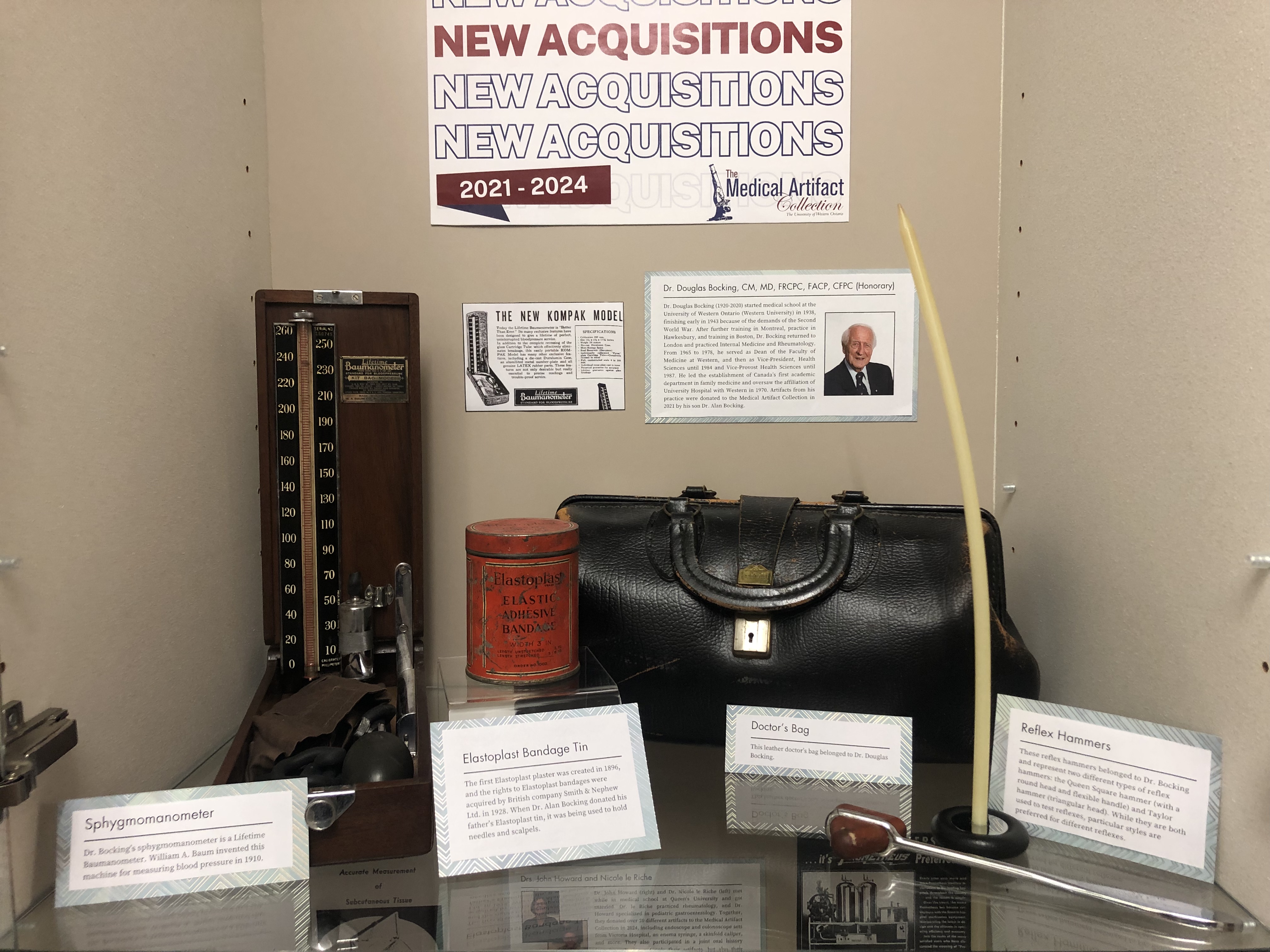
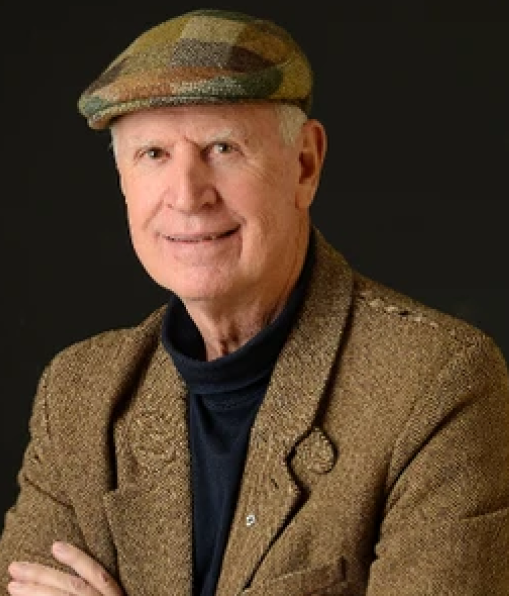
Dr. John Howard (right) and Dr. Nicole le Riche (left) met while in medical school at Queen’s University and got married. Dr. le Riche practiced rheumatology, and Dr. Howard specialized in pediatric gastroenterology. Together, they donated over 20 different artifacts to the Medical Artifact Collection in 2024, including endoscope and colonoscope sets from Victoria Hospital, an enema syringe, a skinfold caliper, and more. They also participated in a joint oral history interview, sharing not only their artifacts, but also their stories with us. The artifacts on display here belonged to Dr. le Riche’s father Dr. William Harding le Riche (1916-2010). Dr. Douglas Bocking (1920-2020) started medical school at the University of Western Ontario (Western University) in 1938, finishing early in 1943 because of the demands of the Second World War. After further training in Montreal, practice in Hawkesbury, and training in Boston, Dr. Bocking returned to London and practiced Internal Medicine and Rheumatology. From 1965 to 1978, he served as Dean of the Faculty of Medicine at Western, and then as Vice-President, Health Sciences until 1984 and Vice-Provost Health Sciences until 1987. He led the establishment of Canada’s first academic department in family medicine and oversaw the affiliation of University Hospital with Western in 1970. Artifacts from his practice were donated to the Medical Artifact Collection in 2021 by his son Dr. Alan Bocking. Dr. William (Bill) Wall is a pioneering liver transplant surgeon of London, Ontario. He first came to Western University as a student in 1964 and joined the Faculty of Surgery in 1977 after training in liver transplantation at Cambridge under Sir Roy Calne. At University Hospital in London, Dr. Wall established the first successful liver transplant program in Canada. Alongside his countless accomplishments in the medical world and as a transplant surgeon, Dr. Wall has written a picture book to help children understand organ transplantation entitled The Ant Who Needed a Transplant. In 2024, he donated his microscope to the Medical Artifact Collection and shared some memories in an oral history interview.New Acquisitions
Drs. John Howard and Nicole le Riche
Dr. Douglas Bocking, CM, MD, FRCPC, FACP, CFPC (Honorary)
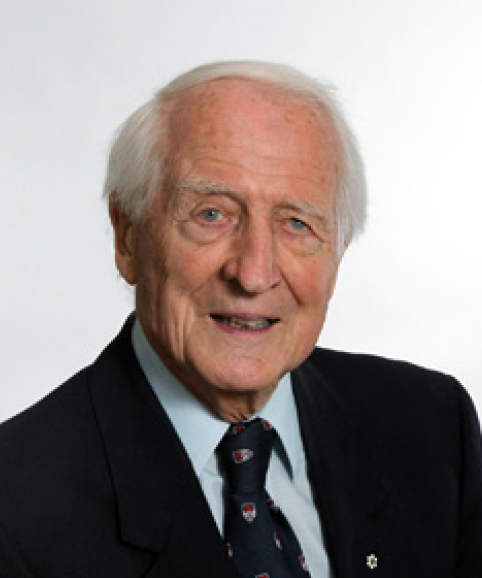
Dr. Bill Wall, CM
You are using a browser that is not standards-compliant. The information on this Web site will be accessible to you, but for a list of Web browsers that comply with the World Wide Web Consortium standards, please visit our Web standards page.
Lawson Hall, 2nd Floor
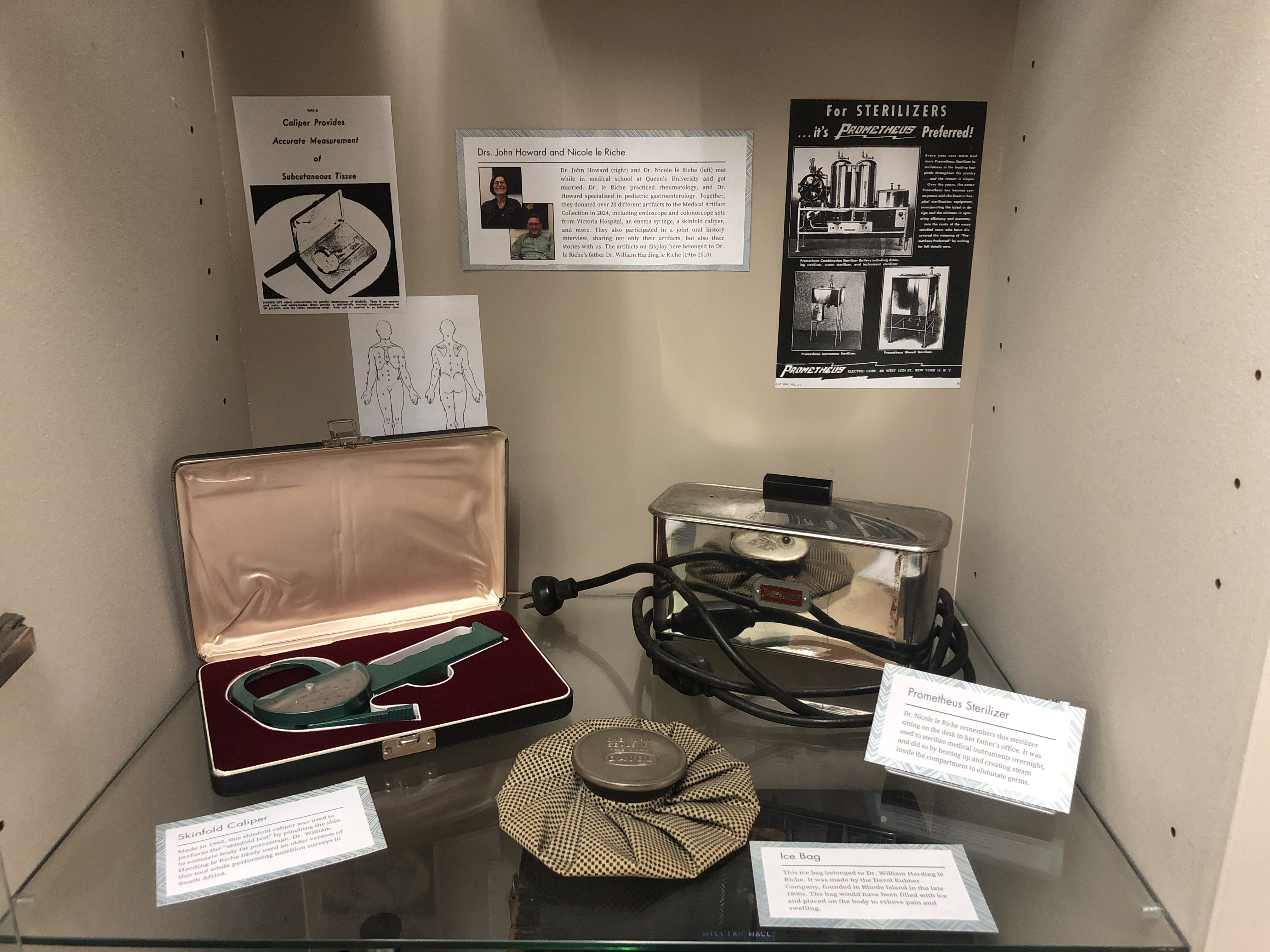
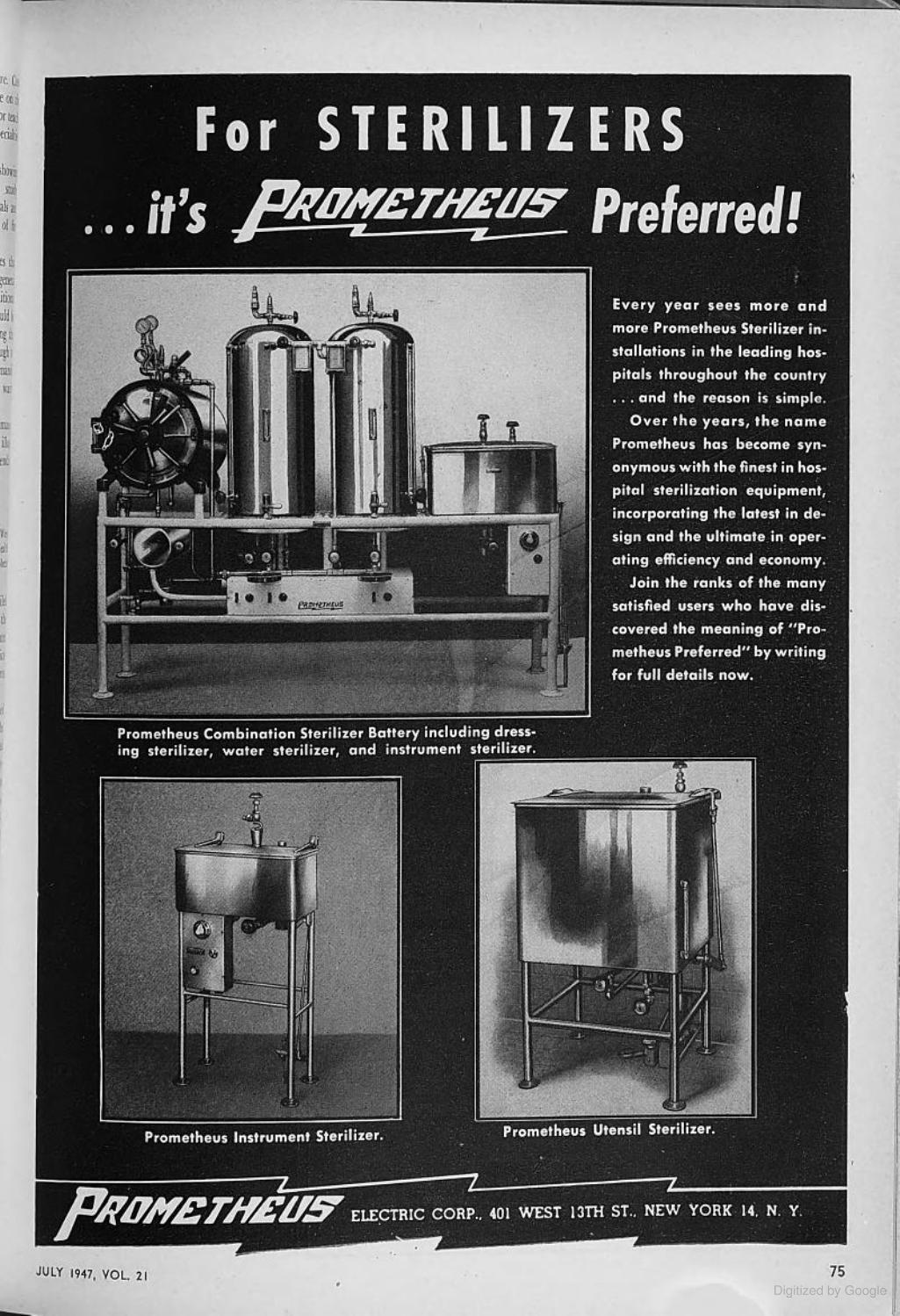
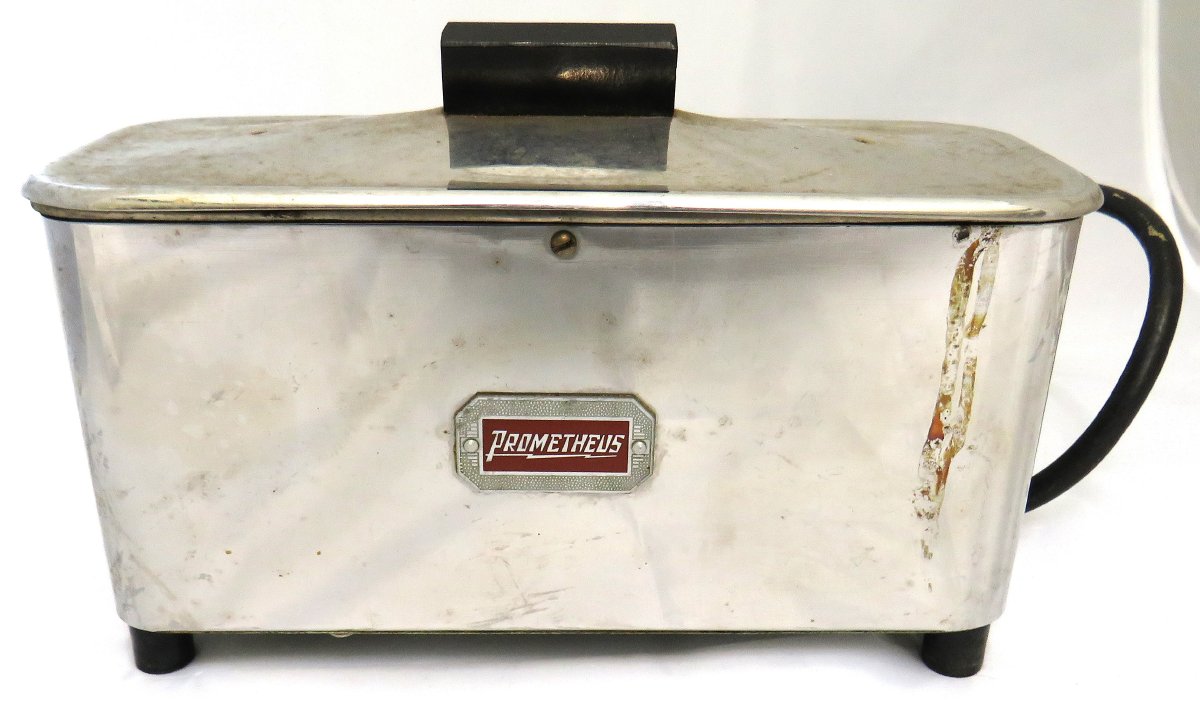
Dr. Nicole le Riche remembers this sterilizer sitting on the desk in her father’s office. It was used to sterilize medical instruments overnight, and did so by heating up and creating steam inside the compartment to eliminate germs.
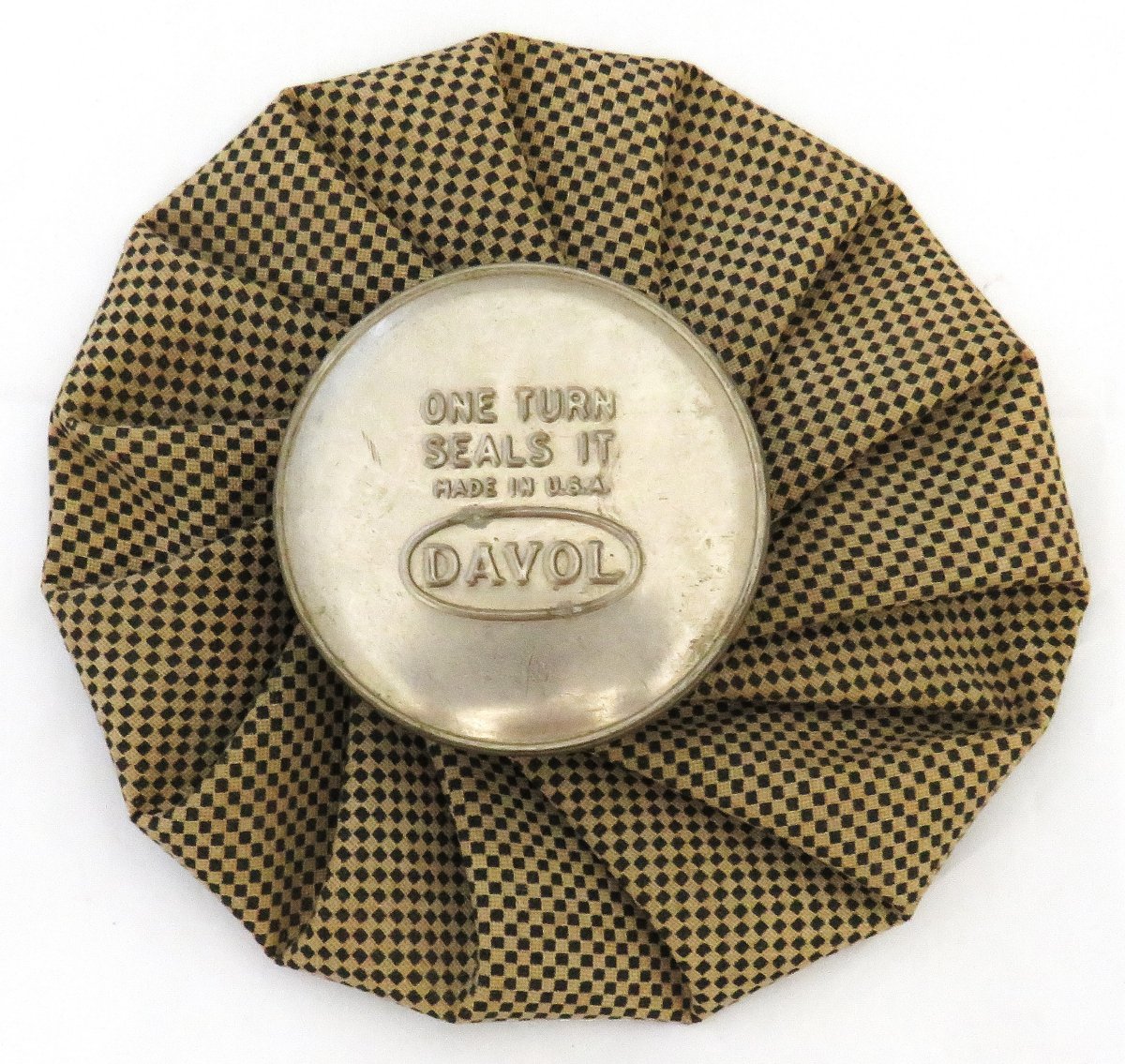
This ice bag belonged to Dr. William Harding le Riche. It was made by the Davol Rubber Company, founded in Rhode Island in the late 1800s. The bag would have been filled with ice and placed on the body to relieve pain and swelling.
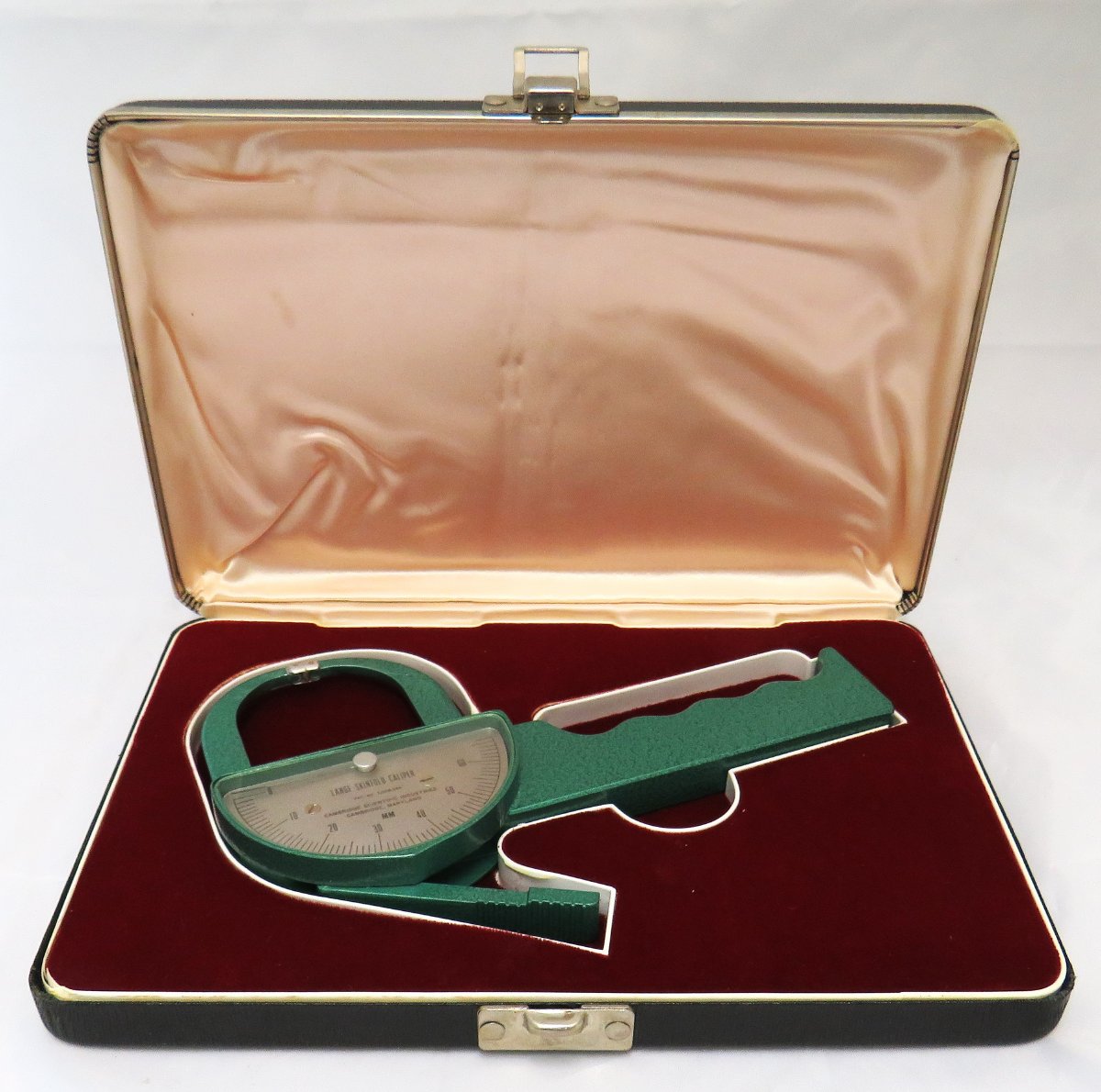
Made in 1962, this skinfold caliper was used to perform the “skinfold test” by pinching the skin to estimate body fat percentage. Dr. William Harding le Riche likely used an older version of this tool while performing nutrition surveys in South Africa.
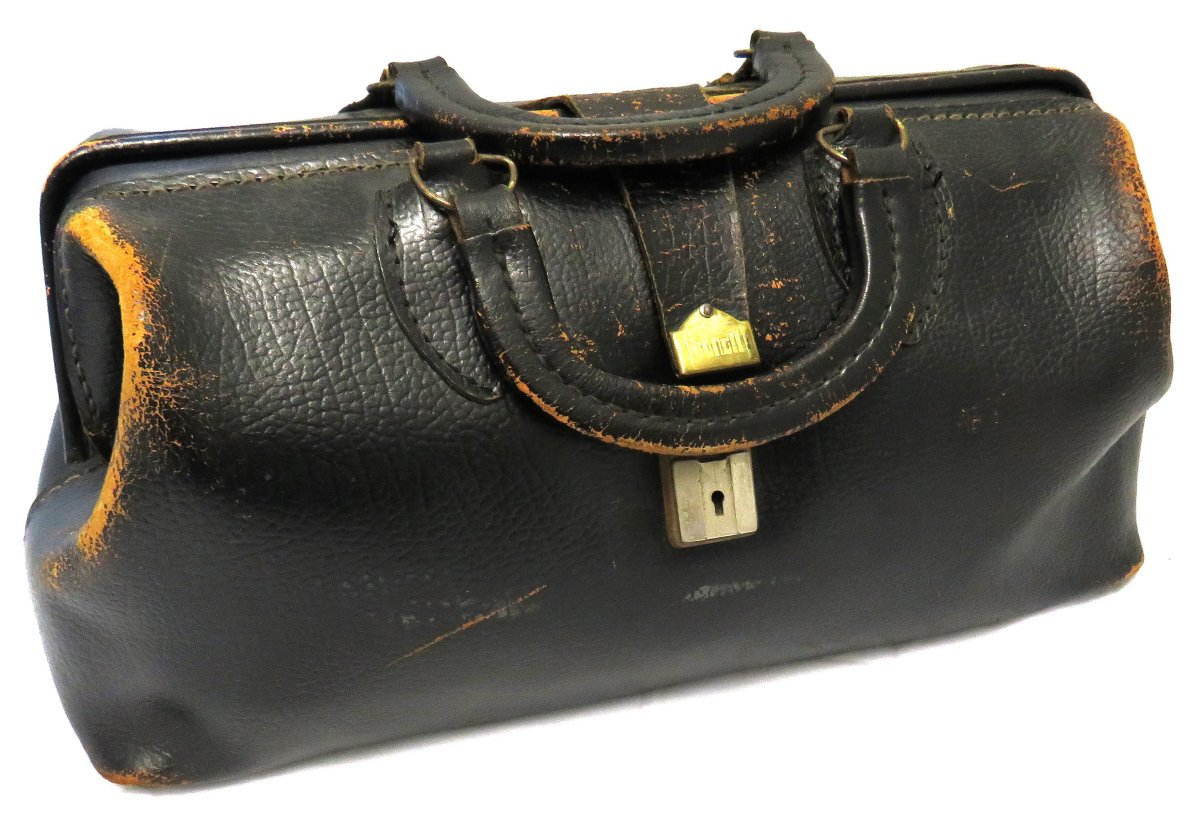
This leather doctor’s bag belonged to Dr. Douglas Bocking.
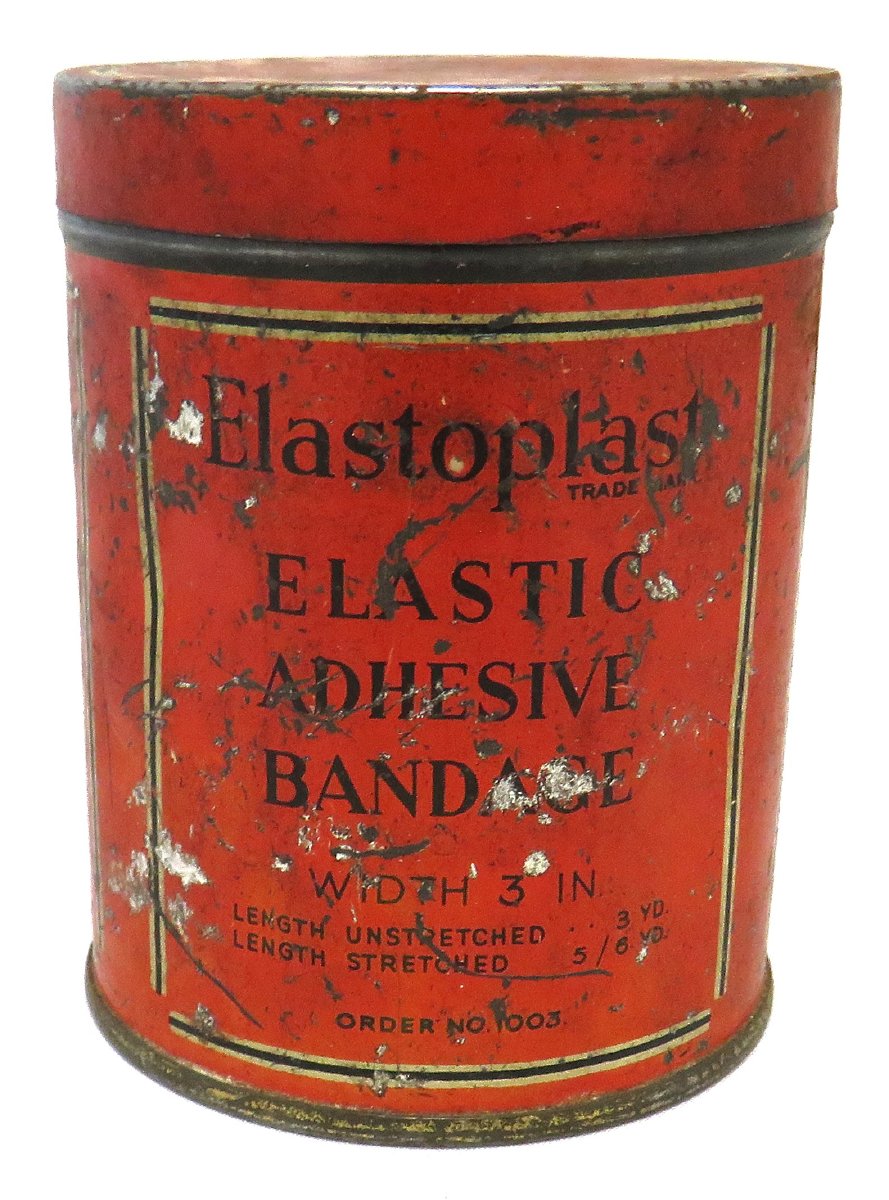
The first Elastoplast plaster was created in 1896, and the rights to Elastoplast bandages were acquired by British company Smith & Nephew Ltd. in 1928. When Dr. Alan Bocking donated his father’s Elastoplast tin, it was being used to hold needles and scalpels.
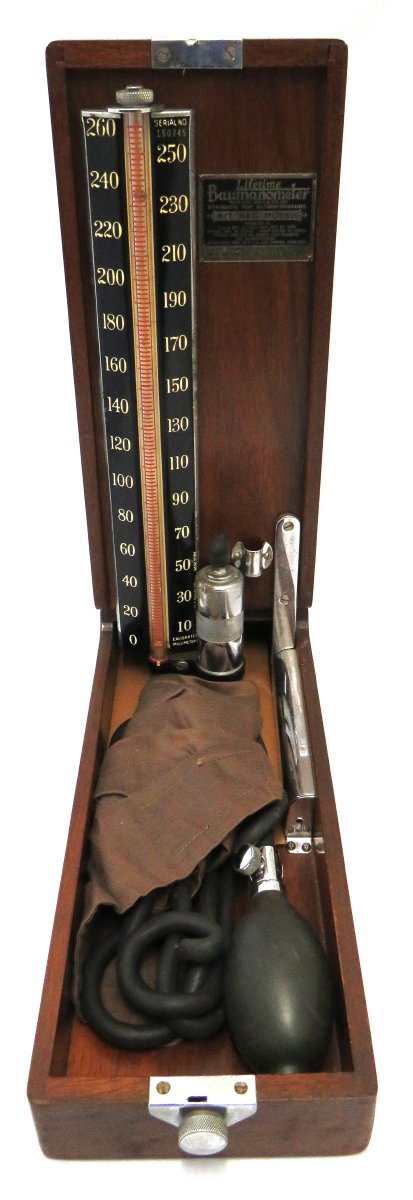
Dr. Bocking’s sphygmomanometer is a Lifetime Baumanometer. William A. Baum invented this machine for measuring blood pressure in 1910.
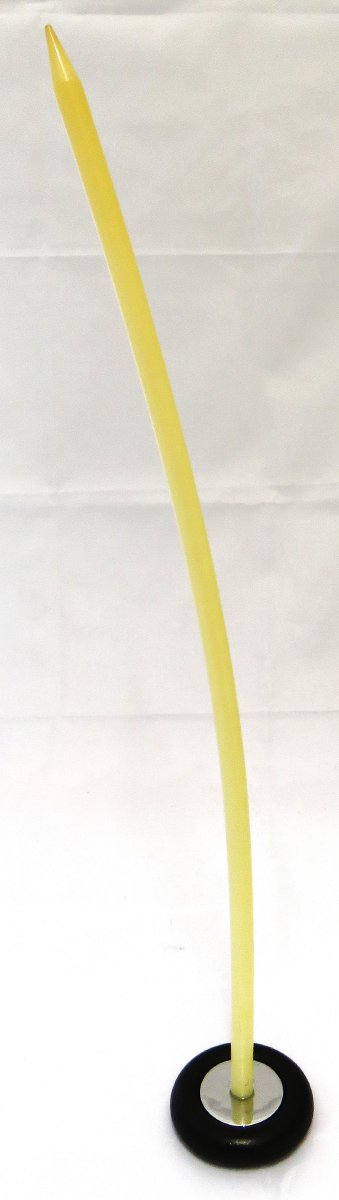
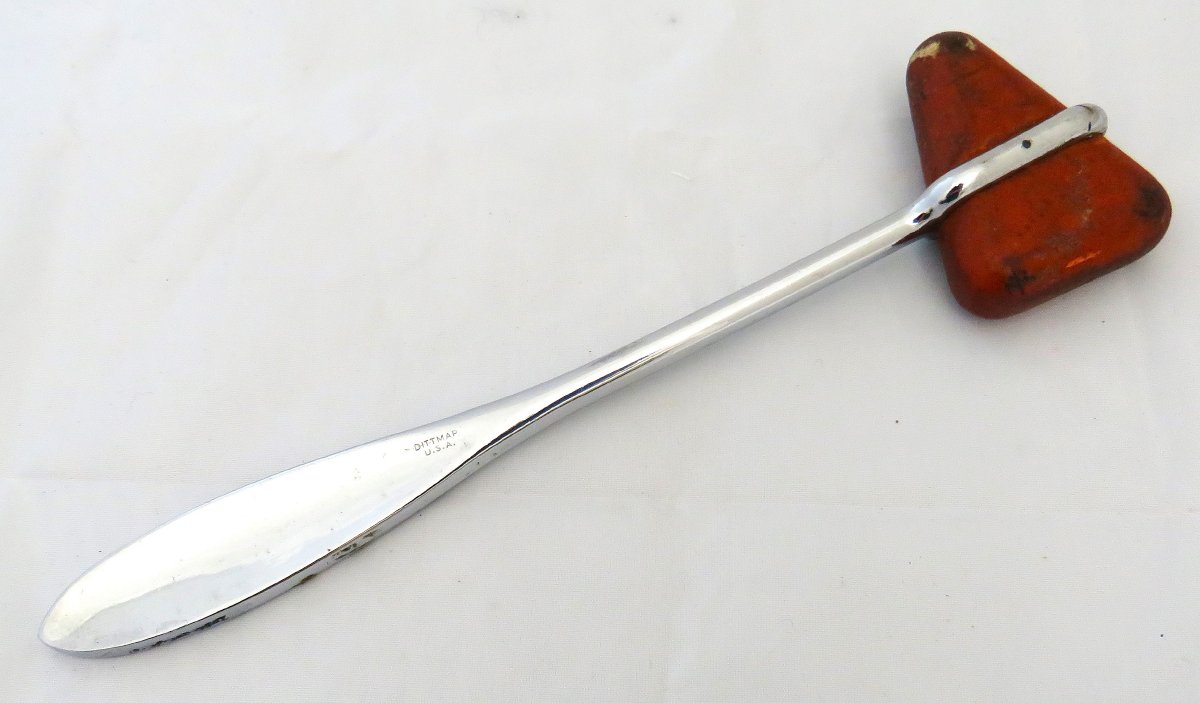
These reflex hammers belonged to Dr. Bocking and represent two different types of reflex hammers: the Queen Square hammer (with a round head and flexible handle) and Taylor hammer (triangular head). While they are both used to test reflexes, particular styles are preferred for different reflexes.
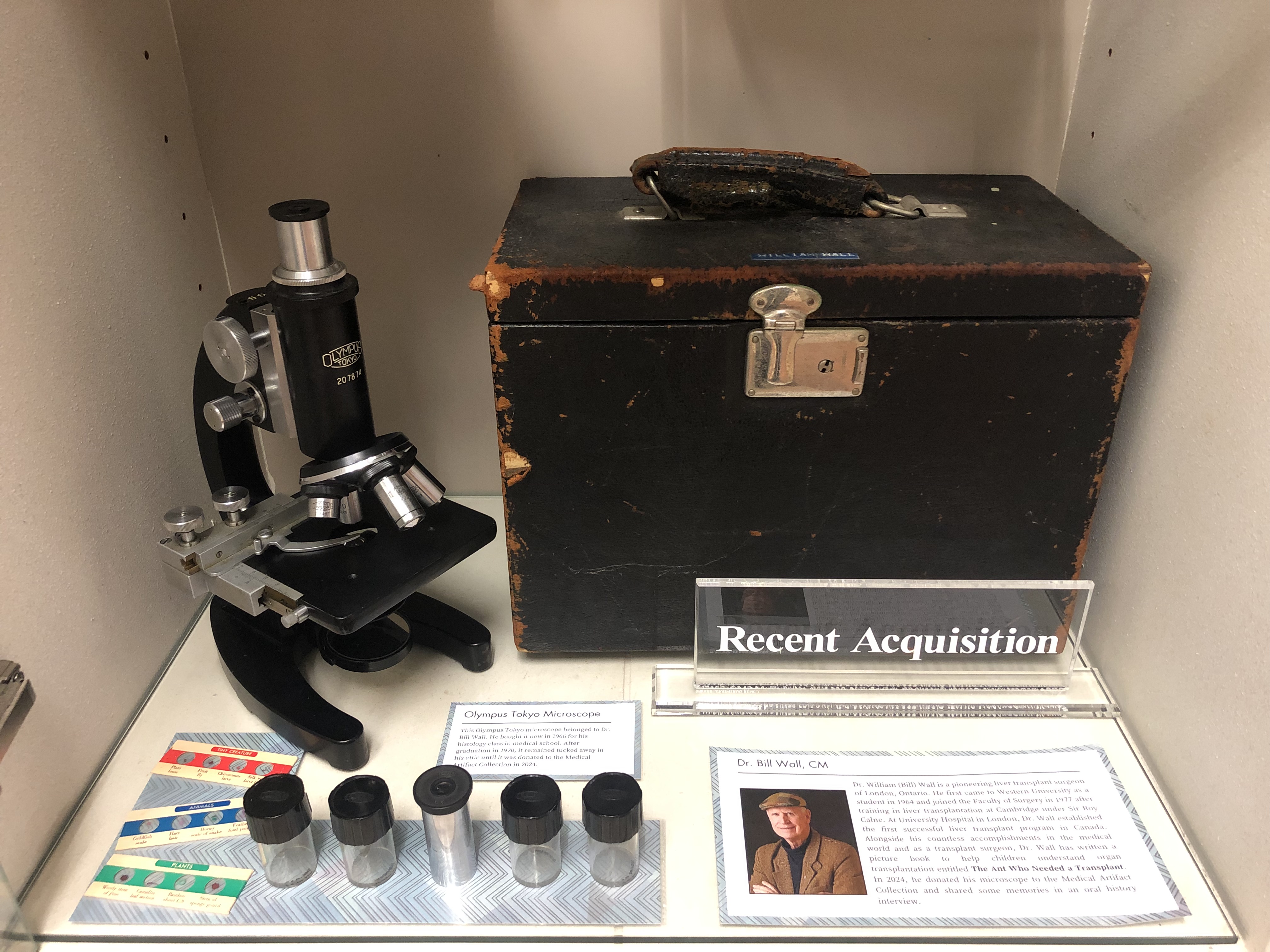
Olympus Tokyo Microscope
This Olympus Tokyo microscope belonged to Dr. Bill Wall. He bought it new in 1966 for his histology class in medical school. After graduation in 1970, it remained tucked away in his attic until it was donated to the Medical Artifact Collection in 2024.
Medical Artifact Collection

Lawson Hall
Western University, London, Ontario, Canada, N6A 5B7
Privacy | Web Standards | Terms of Use | Accessibility
 and updated on